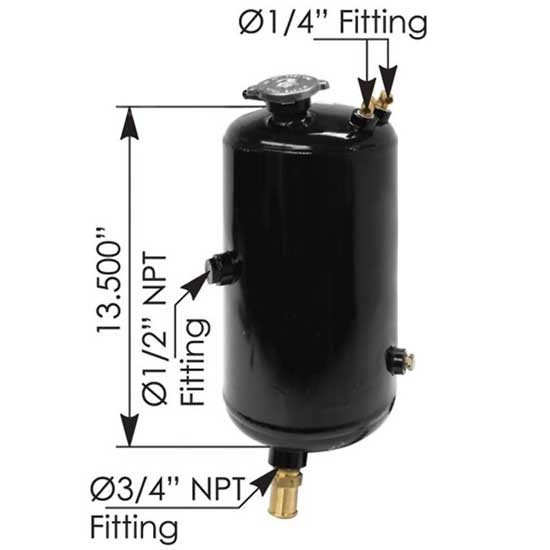
Sturdy, leak-free coolant storage? Full coolant levels improve engine longevity and protection to your engine. With coolant level sensors and surge tanks, you can avoid costly, complicated engine malfunctions from excessive temperatures. Investing in a quality, aftermarket coolant reservoir for your Peterbilt is worth the money, since it can preserve your rig's resale value for the long term.
Frequently Asked Questions About Peterbilt 330/335/337 Coolant Reservoirs
Will these coolant reservoirs fit my specific Peterbilt 330, 335, or 337 model year?
Our coolant reservoirs are designed to fit Peterbilt 330, 335, and 337 models from 2005 through 2015. However, there are variations based on engine type and configuration. Models with Paccar PX-6 and PX-8 engines typically use different reservoir designs than those with Caterpillar C7 engines. We recommend checking your current reservoir's part number or contacting us with your OEM to ensure proper fitment.
What's the difference between OEM and aftermarket coolant reservoirs, and which should I choose?
OEM reservoirs are manufactured to exact Peterbilt specifications using heavy-duty polyethylene that can withstand temperatures up to 250?F. Aftermarket options typically cost 30-50% less but may use thinner plastic walls (3-4mm vs 5-6mm OEM). For trucks under warranty or in heavy-duty applications, we recommend OEM. For standard use or budget-conscious repairs, quality aftermarket reservoirs from brands like Dorman or Spectra Premium perform adequately.
Can I install a new coolant reservoir myself, or do I need special tools?
Installation typically takes 45-90 minutes and requires basic hand tools: 10mm and 13mm sockets, pliers for hose clamps, and a drain pan. The main challenges are accessing the lower mounting bolts (especially on 335 models) and properly bleeding the cooling system afterward. You'll need to add 1-2 gallons of coolant and run the engine through several heat cycles to remove air pockets. Professional installation runs $150-250 if you prefer to have it done.
How do I know if my coolant reservoir needs replacement versus just repair?
Replace your reservoir if you see: visible cracks anywhere on the tank body, warping or deformation around the cap neck, persistent leaks after replacing the cap, or discoloration indicating plastic degradation. Minor issues like a faulty cap, loose hose connections, or sensor problems can often be repaired. Reservoirs typically last 8-12 years, but trucks in extreme climates may need replacement sooner.
Are there different capacity options, and does it matter which size I choose?
Standard capacity for these models is 1.5 gallons, but heavy-duty cooling packages use 2.0-gallon reservoirs. Using the wrong size can cause overflow issues or insufficient coolant reserve. Check your door jamb sticker for the cooling system code: standard systems show "STD COOL" while heavy-duty show "HD COOL" or "MAX COOL". Mismatched capacity won't damage your engine but may trigger false low coolant warnings or overflow during operation.